
December 14-15, 2023
 Muzeum Historii Żydów Polskich POLIN
Art, activism, memory
Multidisciplinary approaches to difficult heritage
Muzeum Historii Żydów Polskich POLIN



1/6
events Program
There are sites, objects and stories that can be called difficult heritage. It is a very particular type of public concern with the past - it can be meaningful, but at the same time contested or awkward for public reconciliation. When tackled in public debate, it tends to open up social divisions and resist any attempts to be comfortably acknowledged as part of a given group’s history and identity. However, there are examples of artistic, activist and multidisciplinary practice tackling difficult heritage that proves to be successful in working through these challenges.
The event is a meeting of experts and practitioners - heritage professionals, local authorities, memory activists, artists, educators and civic society organizations - to reflect on the potential of various approaches to difficult heritage. In particular, we are interested in the potential of the use of art and multidisciplinary toolbox to tackle difficult and/or contested issues.
The event consists of two days. The first day is dedicated to Jewish artists and their practices in using art as a tool of working with the past. We invite artists identifying as Jewish who are exploring Jewish history, experience, tradition or religion in their work, to a gathering with a goal of reflecting on the potential of art as one of the multidisciplinary approached to difficult heritage. The gathering will be a step towards establishing a network (or another form) of relationship between group members that the organizing institutions are willing to support and help grow using the outcomes from the event.
The second day consists of four sessions. The first two are focused on sites and objects that can be called difficult heritage. The third will be a debate around a single object and questions it poses. The fourth will be a panel discussion on the uses of art as a method of working with difficult heritage and contemporary challenges.
-
-
10.00
Welcome and visit to the exhibition "Around Us a Sea of Fire"
 Conference room, POLIN Museum
-
11.00
Introductions of participants
Conference room, POLIN Museum
-
12.30
Presentation of artistic practices
Conference room, POLIN Museum
-
13.30
Lunch break
Conference room, POLIN Museum
-
14.30
World Cafe
Conference room, POLIN Museum
-
15.45
Coffee break
Conference room, POLIN Museum
-
16.00
Long table: a network of Jewish artists
Conference room, POLIN Museum
-
18.30
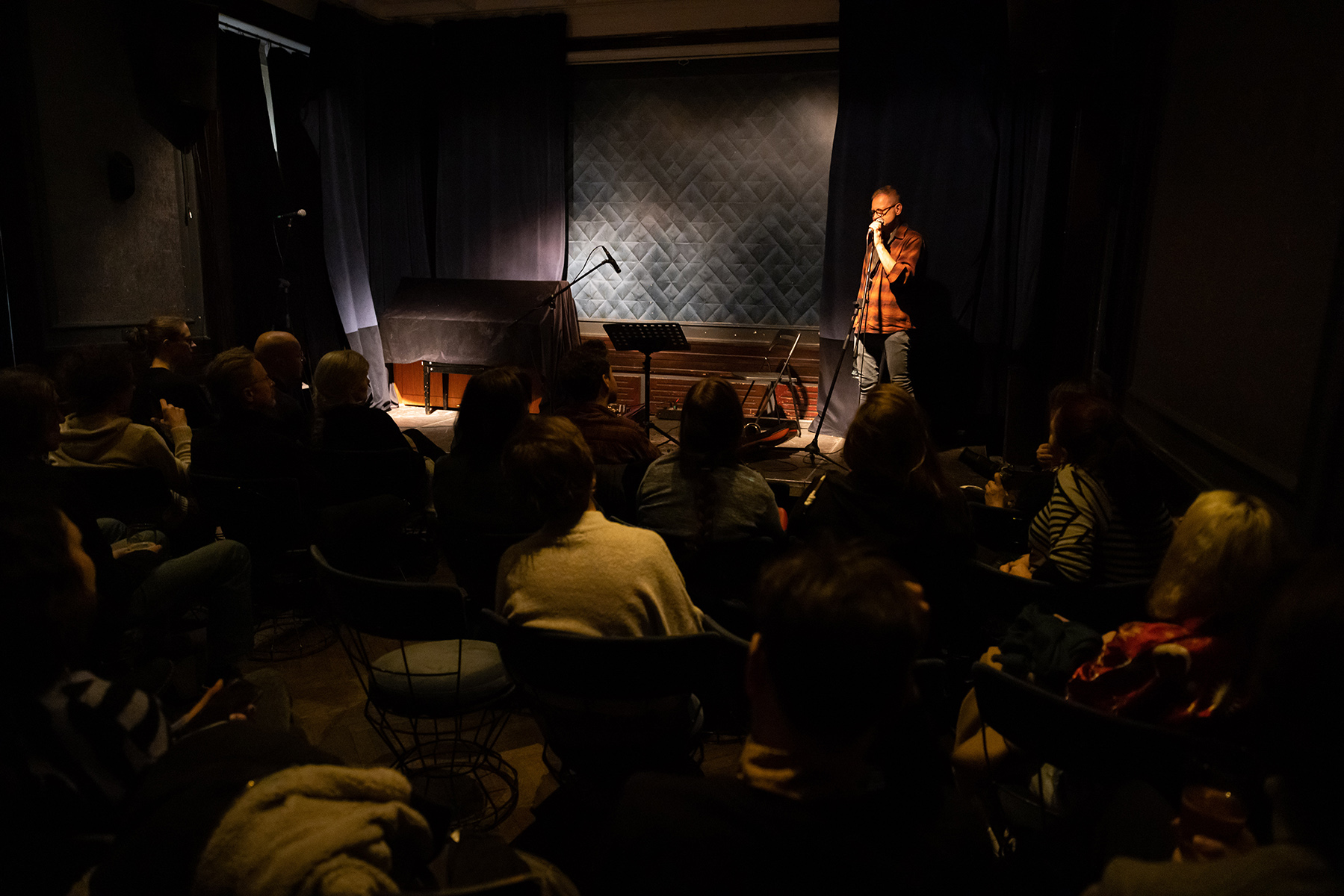
Mikołaj Trzaska's concert "Eternity for a while"
SPATiF Club
-
-
-
09.30
Welcome and opening
- Ewa Chomicka
- Aleksandra Janus
-
10.00
Session 1: Sites
- Agnieszka Jabłońska
- Karolina Jakoweńko
- Aleksandra Karkowska-Rogińska
- Magda Rubenfeld
Conference room, POLIN Museum
-
11.30
Coffee break
-
12.00
Session 2: Objects
- Renata Piątkowska
- Magdalena Kruszewska-Polak
- Magdalena Zych
- Łukasz Bukowiecki
Conference room, POLIN Museum
-
13.30
Lunch break
-
14.30
Session 3: A meeting with one object
- Aleksandra Janus
- Luiza Nader
- Natalia Romik
- Marta Frączkiewicz
- Aldona Modrzewska
- Maria Ferenc
Conference room, POLIN Museum
-
16.00
Coffee break
-
16.30
Panel discussion: Art, Activism, Memory
- Omer Krieger
- Tomer Zirkilevich
- Robert Yerachmiel Sniderman
- Felicitas Heimann-Jelinek
- Natalia Romik
- Alek Hudzik
Conference room, POLIN Museum
-
18.30
Alternative tour in the exhibition "Around Us a Sea of Fire"
POLIN Museum
-

Welcome and visit to the exhibition "Around Us a Sea of Fire"
14th of December 2023
10.00
Conference room, POLIN Museum
Conference room, POLIN Museum
Introductions of participants
14th of December 2023
11.00
Conference room, POLIN Museum
Conference room, POLIN Museum
Presentation of artistic practices
14th of December 2023
12.30
Conference room, POLIN Museum
Conference room, POLIN Museum
Lunch break
14th of December 2023
13.30
Conference room, POLIN Museum
Conference room, POLIN Museum
World Cafe
14th of December 2023
14.30
Conference room, POLIN Museum
Conference room, POLIN Museum
Coffee break
14th of December 2023
15.45
Conference room, POLIN Museum
Conference room, POLIN Museum
Long table: a network of Jewish artists
14th of December 2023
16.00
Conference room, POLIN Museum
Conference room, POLIN Museum
Mikołaj Trzaska's concert "Eternity for a while"
14th of December 2023
18.30
SPATiF Club
SPATiF Club
Welcome and opening
- Ewa Chomicka
- Aleksandra Janus
15th of December 2023
09.30
Session 1: Sites
- Agnieszka Jabłońska
- Karolina Jakoweńko
- Aleksandra Karkowska-Rogińska
- Magda Rubenfeld
15th of December 2023
10.00
Conference room, POLIN Museum
Conference room, POLIN Museum The first session will focus on sites that can be considered examples of "difficult heritage". During short presentations, the speakers will present specific sites and places, and discuss the challenges they face when undertaking work aimed at revitalizing, commemorating them or making them available to a wider audience.
Coffee break
15th of December 2023
11.30
Session 2: Objects
- Renata Piątkowska
- Magdalena Kruszewska-Polak
- Magdalena Zych
- Łukasz Bukowiecki
15th of December 2023
12.00
Conference room, POLIN Museum
Conference room, POLIN Museum The second session will focus on objects - found in museums and private collections - ones that pose a challenge to researchers, museologists and curators. During short presentations speakers will present specific object(s) and discuss the challenges and dilemmas they encounter in the process of developing, cataloging and potentially presenting them to a wide audience.
Lunch break
15th of December 2023
13.30
Session 3: A meeting with one object
- Aleksandra Janus
- Luiza Nader
- Natalia Romik
- Marta Frączkiewicz
- Aldona Modrzewska
- Maria Ferenc
15th of December 2023
14.30
Conference room, POLIN Museum
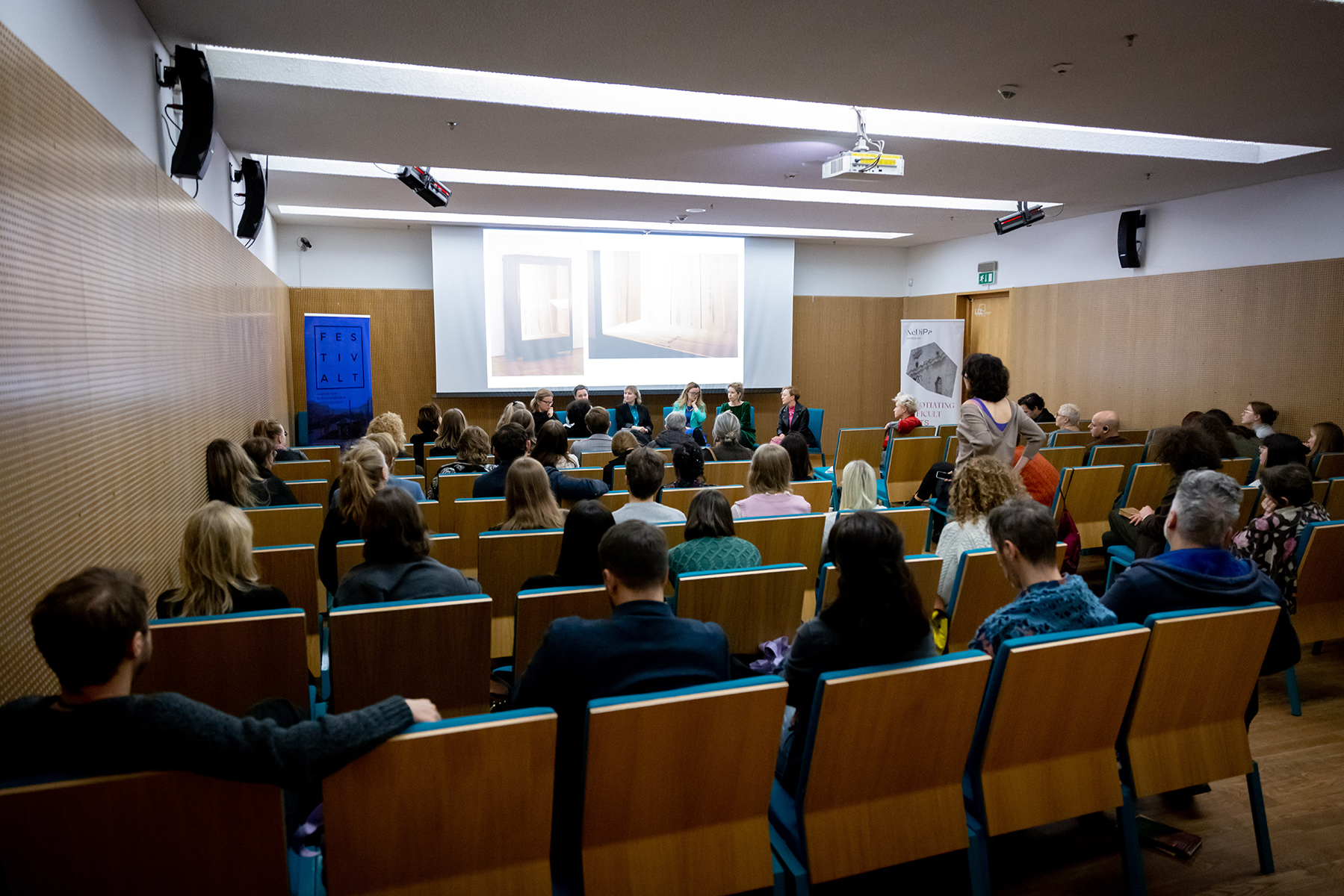
Conference room, POLIN Museum During the third session, we will focus on one object: a wardrobe found in 2022 in Huta Zaborowska, which was most likely the wartime hideout of a Jewish child. In the first part, Dr. Aleksandra Janus, prof. Luiza Nader and Dr. Natalia Romik will present the results of their research shedding light on the history of the object and the drawings and inscriptions discovered inside. In the second part, a group of invited guests will present their commentaries, and then the audience will be invited to join in the conversation.
Coffee break
15th of December 2023
16.00
Panel discussion: Art, Activism, Memory
-
Omer Krieger
Omer Krieger creates performative actions, political situations and civil choreographies in public spaces. In 2006-2011 he co-founded and directed the performative initiative Public Movement, in 2011-2015 he was the artistic director of Under the Mountain: Festival of New Public Art in Jerusalem. From 2018-20 he was the founder and artistic director of 1:1 Center for Art and Politics in Tel Aviv-Yaffa. In his work he explores public experiences and is interested in the relationship between art, civil society, politics and action.
-
Tomer Zirkilevich
Tomer Zirkilevich is an Israeli artist who is based in Berlin. He is a choreographer, director, performer and teacher, and is a graduate of The Dance School at the Kibbutzim College in Tel-Aviv. Tomer has created several works including SWAN, The ARK, My David & SODOM, Infidelty: A love story and more. His works have been presented in various festivals and venues throughout Europe. His video dance production ‘Objective Romance’ has won several accolades at festivals worldwide.
-
Robert Yerachmiel Sniderman
poet-artist and fourth generation Ashkenazi settler from places in the traditional territory of the Lenape diaspora, with ancestral ties to eradicated Jewish communities in Warsaw, Jaroslaw and Rzeszów (PL), Chișinău (MLD), Dnipro (UKR), and Seirijai (LITH). Assistant Professor in Socially Engaged Art at Fairhaven College of Interdisciplinary Studies, Western Washington University and Visiting Professor at the Institut für Kunst im Kontext, Universität der Künste Berlin (2023-24).
-
Felicitas Heimann-Jelinek
Felicitas Heimann-Jelinek studied in Bonn, Jerusalem and Vienna. Chief Curator at the Jewish Museum of the City of Vienna (1993-2011); 2007 Guest Curator at the Spertus Museum, Chicago; since 2011 Freelance Curator. 2011-2013 Director of the Keter Program for Jewish Collections in Ukraine. Teaching positions at the Hochschule für Jüdische Studien in Heidelberg and at the Institute for Jewish Studies at the University of Vienna; 2017 Sigi Feigel Visiting Professorship in Jewish Studies at the University of Zurich; 2018 Franz-Rosenzweig Visiting Professorship at the University of Kassel.
-
Natalia Romik
Graduate in political science, practitioner of architecture, designer, artist. In 2018 Romik was awarded a PhD at the Bartlett School of Architecture at UCL. She combines academic research with methods of contemporary art and architecture to explore the (post)Jewish architecture of memory. Romik has been awarded numerous grants (London Arts and Humanities Partnership, Gerda Henkel Stiftung, Dan David Prize). Member of the SENNA collective. Currently the scholarship holder of the Fondation pour la Mémoire de la Shoah.
- Alek Hudzik
15th of December 2023
16.30
Conference room, POLIN Museum
Conference room, POLIN Museum The panel discussion closing the event will concern the potential of art as a tool for working with memory, difficult heritage and its contemporary resonance. Together with the invited guests we will consider how art is and can be used as part of research and activist practice aimed at opening public discussion on issues that are marginalized or silenced as inconvenient for building a positive image of certain groups, communities and larger society.
Alternative tour in the exhibition "Around Us a Sea of Fire"
15th of December 2023
18.30
POLIN Museum
POLIN Museum